
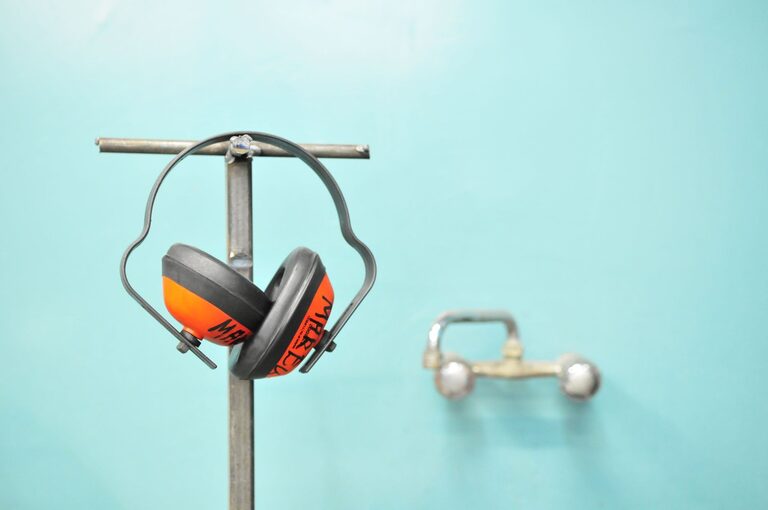
Living in a noisy environment can be stressful and affect your comfort at home. Whether it’s traffic sounds, loud neighbors, or indoor noise from appliances and footsteps, reducing unwanted noise can improve your overall well-being. Fortunately, there are simple and affordable ways to make your home quieter without major renovations. In this post, we’ll explore practical tips to help you create a calm and peaceful living space.
Understanding the Source of Noise
Before tackling noise reduction, it’s helpful to identify where the noise is coming from. Common sources include:
– Outside noise (traffic, construction, neighbors)
– Indoor noise (appliances, footsteps, voices)
– Shared walls in apartments or townhomes
– Windows and doors letting sound in
Knowing the source will guide you toward the best solutions for your situation.
1. Use Soft Furnishings to Absorb Sound
One of the easiest ways to reduce noise is to add soft materials that absorb sound waves rather than reflecting them.
– Rugs and Carpets: Place area rugs or carpets on hard floors to reduce footsteps noise and echoes.
– Curtains and Drapes: Thick or heavy curtains help block outside noise coming through windows.
– Cushions and Upholstered Furniture: Sofas and chairs with fabric coverings slow sound transmission.
– Wall Hangings: Fabric wall hangings, tapestries, or acoustic panels absorb sound and add decoration.
These additions create a softer space where sound doesn’t bounce around as much.
2. Seal Gaps Around Doors and Windows
Often, noise enters through small openings or poorly sealed areas.
– Weather Stripping: Apply weather stripping around doors and windows to close gaps.
– Door Sweeps: Install door sweeps at the bottom of exterior and interior doors.
– Caulking: Use caulk to seal cracks around window frames and baseboards.
Sealing these gaps reduces the amount of sound that leaks into your home.
3. Rearrange Furniture Strategically
Believe it or not, where you place your furniture can impact noise levels.
– Bookshelves as Sound Barriers: Position large bookshelves against shared walls to help block noise.
– Soft Furniture Near Noise Sources: Place couches or chairs near windows or noisy walls to absorb sound.
– Room Dividers: Use screens or room dividers to break up open spaces and diffuse sound.
These simple adjustments can make a noticeable difference in your home’s noise levels.
4. Add Soundproofing Materials
If noise is a persistent problem, consider some basic soundproofing enhancements.
– Acoustic Panels: Install acoustic foam or fabric-covered panels on walls to reduce echo and dampen sound.
– Door Panels: Add soundproof door panels or replace hollow-core doors with solid-core options.
– Window Inserts: Use interior window inserts designed to reduce outside noise.
– Floor Underlayments: If possible, add soundproof underlayments beneath flooring to cut noise between floors.
While some of these require a bit more investment, they are effective for long-term noise control.
5. Minimize Indoor Noise Sources
Sometimes, the best way to reduce noise is by managing sounds generated inside your home.
– Appliance Maintenance: Keep appliances like dishwashers and HVAC units well-maintained to reduce loud operation.
– Use Area Rugs and Mats: Placing mats in high-traffic areas cuts down on footsteps and movement noise.
– Soft Close Features: Consider installing soft-close hinges on cabinets to avoid banging sounds.
– Quiet Activities: Encourage quieter activities and set “quiet hours” if multiple people share the home.
Taking steps to manage indoor noise helps create a more peaceful environment.
6. Use White Noise or Sound Machines
If some noise is unavoidable, masking it can help you focus or relax.
– White Noise Machines: Devices that play continuous, soothing sounds can mask disruptive noises.
– Fans or Air Purifiers: These appliances produce gentle background noise that helps cover sudden sounds.
– Apps and Music: Use phone apps or playlists with nature sounds or soft music.
These sound masking methods don’t reduce noise but can make it less distracting.
Tips for Specific Rooms
Bedroom
– Use blackout curtains with soundproof lining.
– Place rugs on the floor to soften footsteps.
– Add an upholstered headboard to absorb noise behind the bed.
Living Room
– Arrange furniture to absorb sound near windows or noisy walls.
– Use thick curtains and wall hangings.
– Consider a large bookshelf filled with books as a sound barrier.
Home Office
– Use acoustic panels or foam tiles on walls.
– Choose a quiet, enclosed space if possible.
– Use headphones or white noise to help concentration.
Final Thoughts
Reducing noise at home doesn’t have to be complicated or expensive. By incorporating soft furnishings, sealing gaps, rearranging furniture, and managing indoor sounds, you can create a more relaxing environment. For persistent noise problems, soundproofing materials and masking sounds are helpful techniques. Experiment with these tips to find what works best for your home and enjoy the calm that comes with a quieter space.
Creating a peaceful home environment can improve sleep, concentration, and overall happiness. Start with small, simple changes and notice the difference even a little noise reduction can make.