
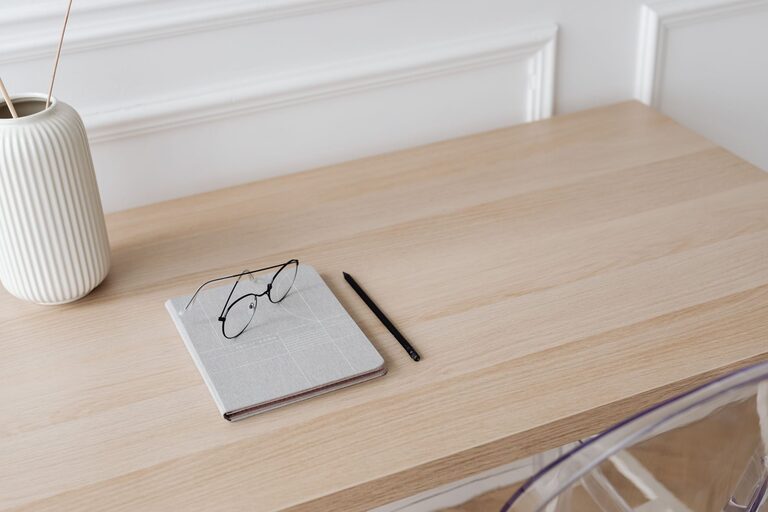
Creating a relaxing home workspace is essential for maintaining focus, reducing stress, and improving your overall work-from-home experience. Whether you work remotely full-time or occasionally take projects home, the environment around you plays a huge role in how productive and comfortable you feel. In this blog post, we’ll explore simple, effective ways to design a calming workspace that supports your well-being and helps you work smarter.
Why a Relaxing Workspace Matters
When your workspace feels cluttered or uncomfortable, it can lead to distractions, fatigue, and even burnout. On the other hand, a thoughtfully designed area encourages concentration, creativity, and a positive mindset. A relaxing workspace doesn’t mean sacrificing professionalism—it means creating a space that makes you feel calm and capable every day.
Step 1: Choose the Right Location
Find a Quiet Spot
Identify a part of your home where you can work with minimal interruptions. A quiet corner, a spare room, or even a well-defined nook can serve as your home office. If space is limited, try to separate your work zone from areas that are associated with relaxation or entertainment.
Consider Natural Light
Natural light improves mood and energy levels, so try to position your desk near a window if possible. If natural light is limited, invest in quality lighting that mimics daylight to keep your workspace bright and inviting.
Step 2: Invest in Ergonomic Furniture
Comfortable Chair
A supportive chair helps prevent back and neck pain, allowing you to focus on your tasks comfortably for longer periods. Look for chairs with adjustable height, lumbar support, and cushioning.
Suitable Desk
Choose a desk at the right height for your body and the type of work you do. Adjustable desks, including sit-stand options, can help you maintain good posture and reduce fatigue.
Step 3: Declutter and Organize
Keep It Simple
A cluttered desk can lead to a cluttered mind. Stick to essential items like your computer, notepad, pens, and maybe a small plant. Store other materials away in drawers or shelves.
Use Organizational Tools
Desk organizers, filing cabinets, and cable management solutions keep your workspace tidy and functional. Label folders and containers, so everything has its place.
Step 4: Personalize Your Space Calmly
Add Greenery
Plants not only add a touch of nature but also improve air quality and reduce stress. Low-maintenance plants like succulents, snake plants, or pothos are great choices for desks.
Incorporate Soft Textures
A cozy rug or a soft cushion can make your workspace more inviting and comfortable. Avoid anything too bulky that takes up valuable desk or floor space.
Display Inspirational Items
Add a few personal touches like artwork, photos, or motivational quotes that inspire without causing visual noise.
Step 5: Manage Noise and Distractions
Use Noise-Canceling Headphones
If you work in a noisy environment, headphones can help block out background sounds and improve concentration.
Background Sounds
Some people find soft background music or nature sounds soothing. Experiment with white noise apps or instrumental music to find what helps you focus.
Step 6: Optimize Technology and Lighting
Ergonomic Screen Setup
Place your computer screen at eye level to avoid neck strain. Use a stand or adjustable monitor arm if needed.
Proper Lighting
Avoid harsh overhead lighting. Use desk lamps with adjustable brightness and color temperature to reduce eye strain, especially in the evening.
Step 7: Establish a Routine to Maintain the Space
Daily Tidying
Spend a few minutes each day to clear your desk and organize your materials. This habit keeps your workspace consistently relaxing and ready for work.
Take Breaks
Incorporate short breaks away from your desk to stretch, hydrate, and reset your focus. A relaxing workspace is not just about the physical setup but also about how you interact with it.
Conclusion
Creating a relaxing home workspace is about combining comfort, functionality, and personal touches to build an environment that supports your best work. By choosing the right location, investing in ergonomic furniture, keeping your area uncluttered, and managing noise and lighting, you’ll create a space that helps you stay calm, focused, and productive throughout the day. Start small and adjust as you go, and soon your home workspace will become a favorite place to be.